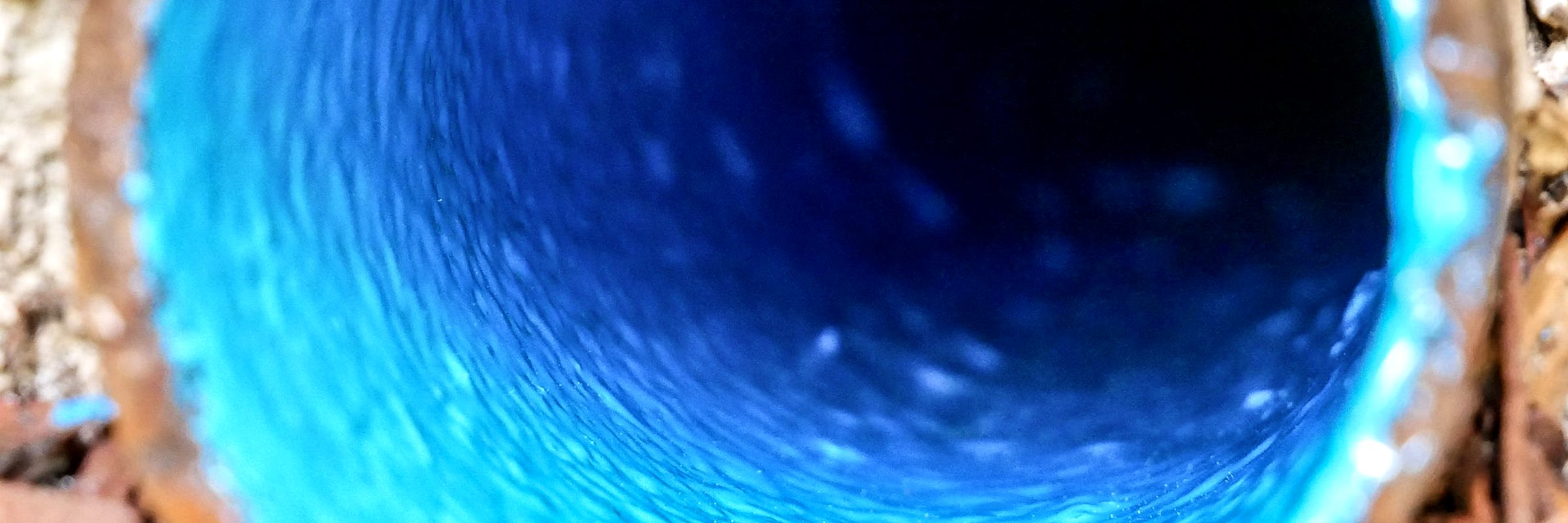
Epoxy Coating for Drain Pipes is a way to fix old drain and sewer lines without tearing them out. We clean the pipe from the inside, then coat the walls with epoxy. Once it cures, you have a smooth, hard lining that seals cracks and pinholes and keeps rust from eating any further into the pipe.
It's a good fit for a lot of Los Angeles homes. Drain lines here are often decades-old cast iron or clay, running under a slab, a finished floor or a driveway. Getting to those pipes the old way means demolition. Coating them doesn't. It works on cast iron, clay and PVC, in houses and in commercial buildings.
Signs your drains might need it
Clogs that keep coming back
If the same line backs up every few months, the inside of the pipe is probably rough or cracked and catching debris. A coating makes it smooth again.
Pipes under concrete or landscaping
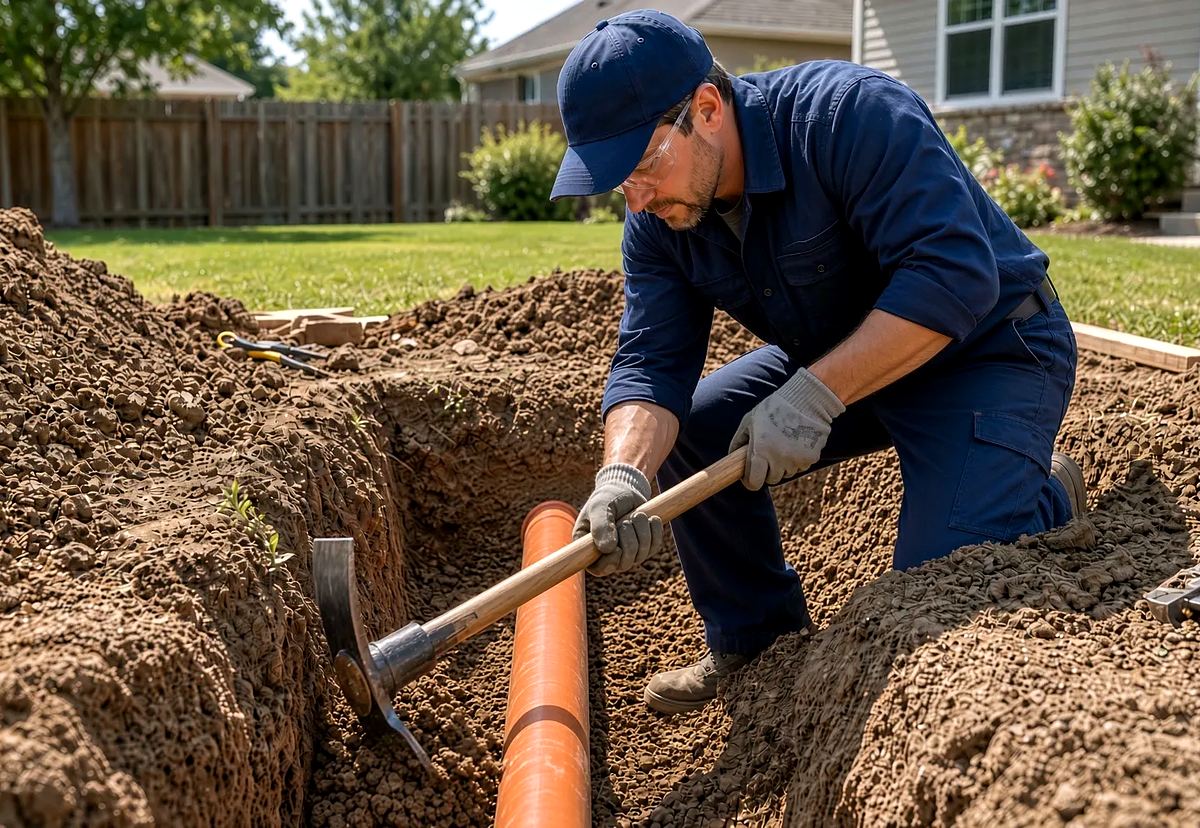
When the bad section is under a slab, tile or a driveway, fixing it from the inside saves a lot of demolition.
Wear caught on camera
Thin spots, scale buildup and small gaps at the joints are all good candidates. Fixing them early costs less than waiting.
Cracks, small offsets or roots
Minor cracks, slightly separated joints and the gaps that roots squeeze through can be sealed without replacing the pipe.
How we do it
Doing this right takes the right equipment and some patience. Here's what happens on the job.
Camera inspection
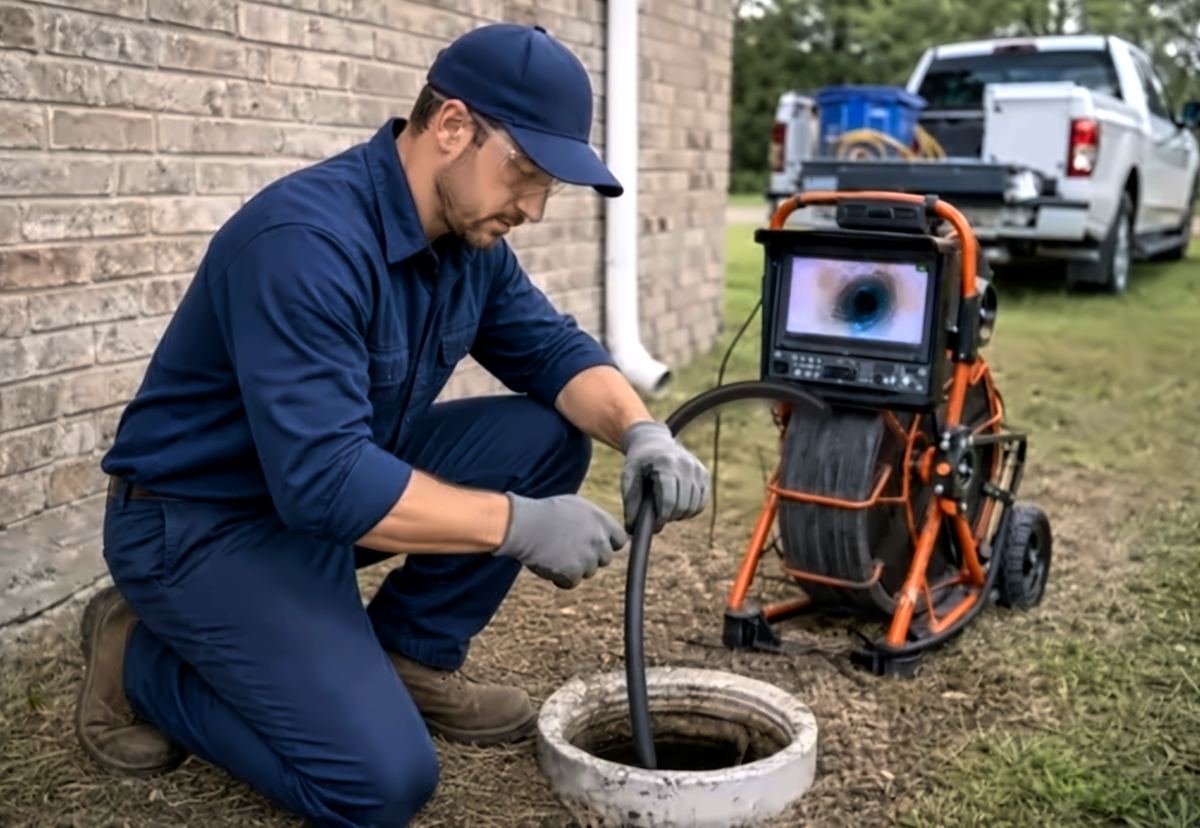
We run an HD camera through the line to find every crack, rusted spot and blockage. You get to see the footage too.
Descaling
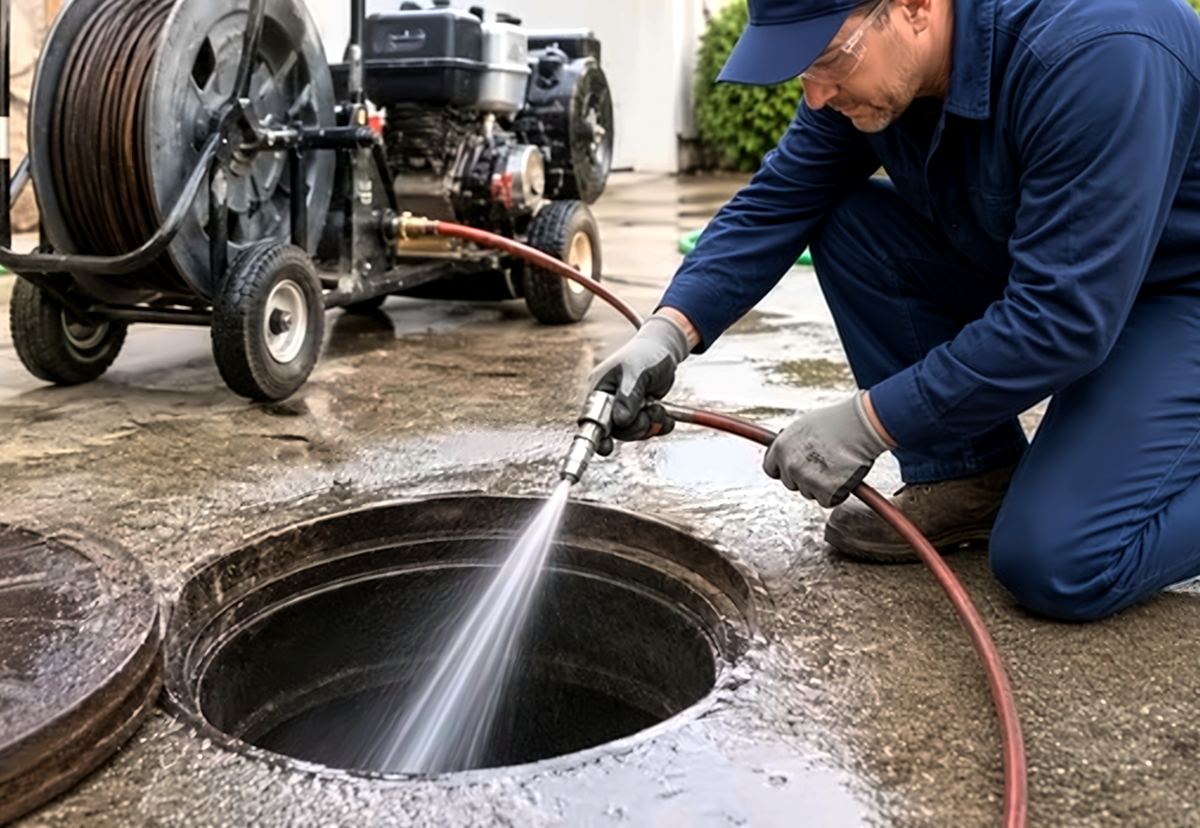
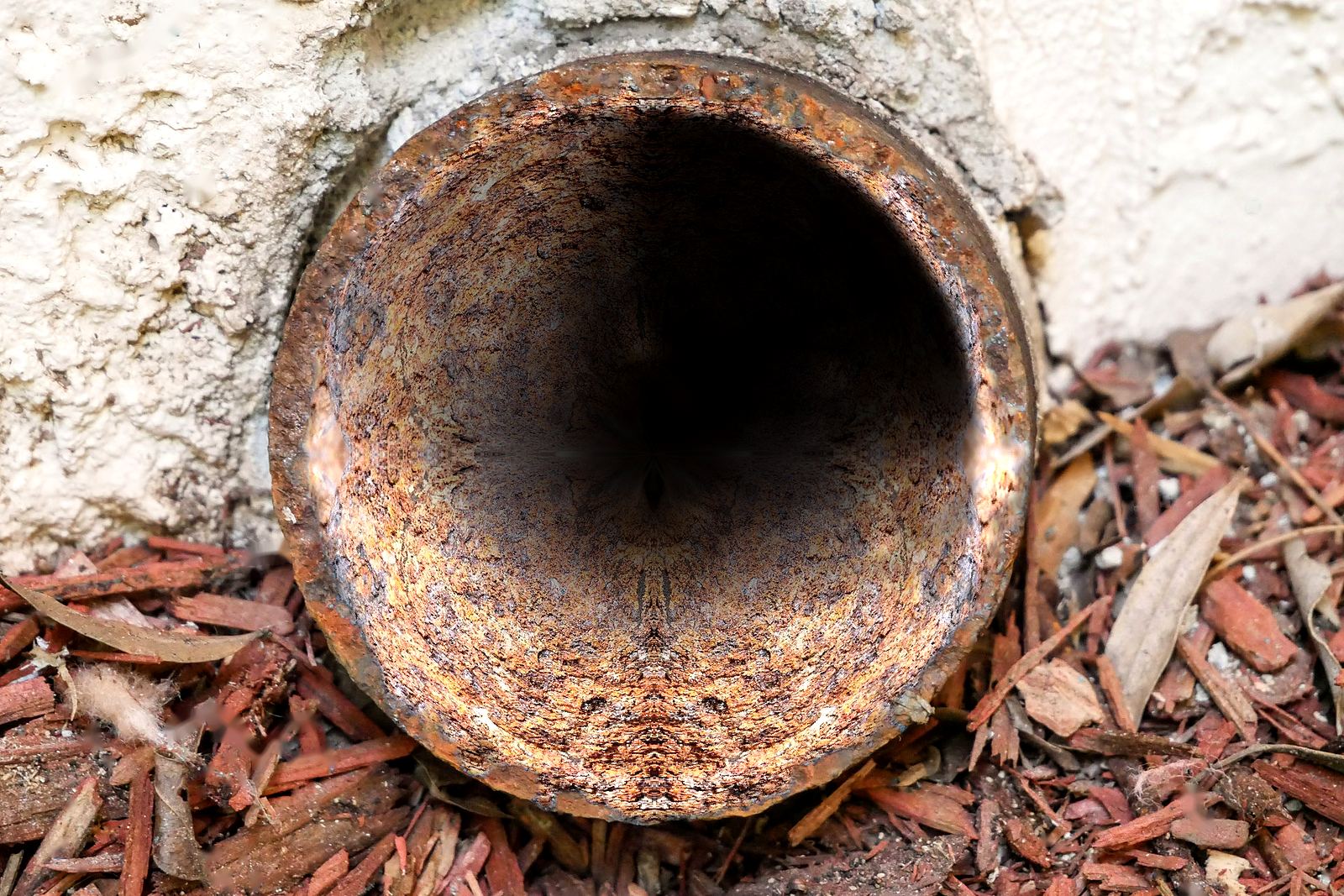
Rust, scale and roots get cut out until the walls are clean and back to full size. Epoxy needs bare, clean pipe to stick to.
Coating
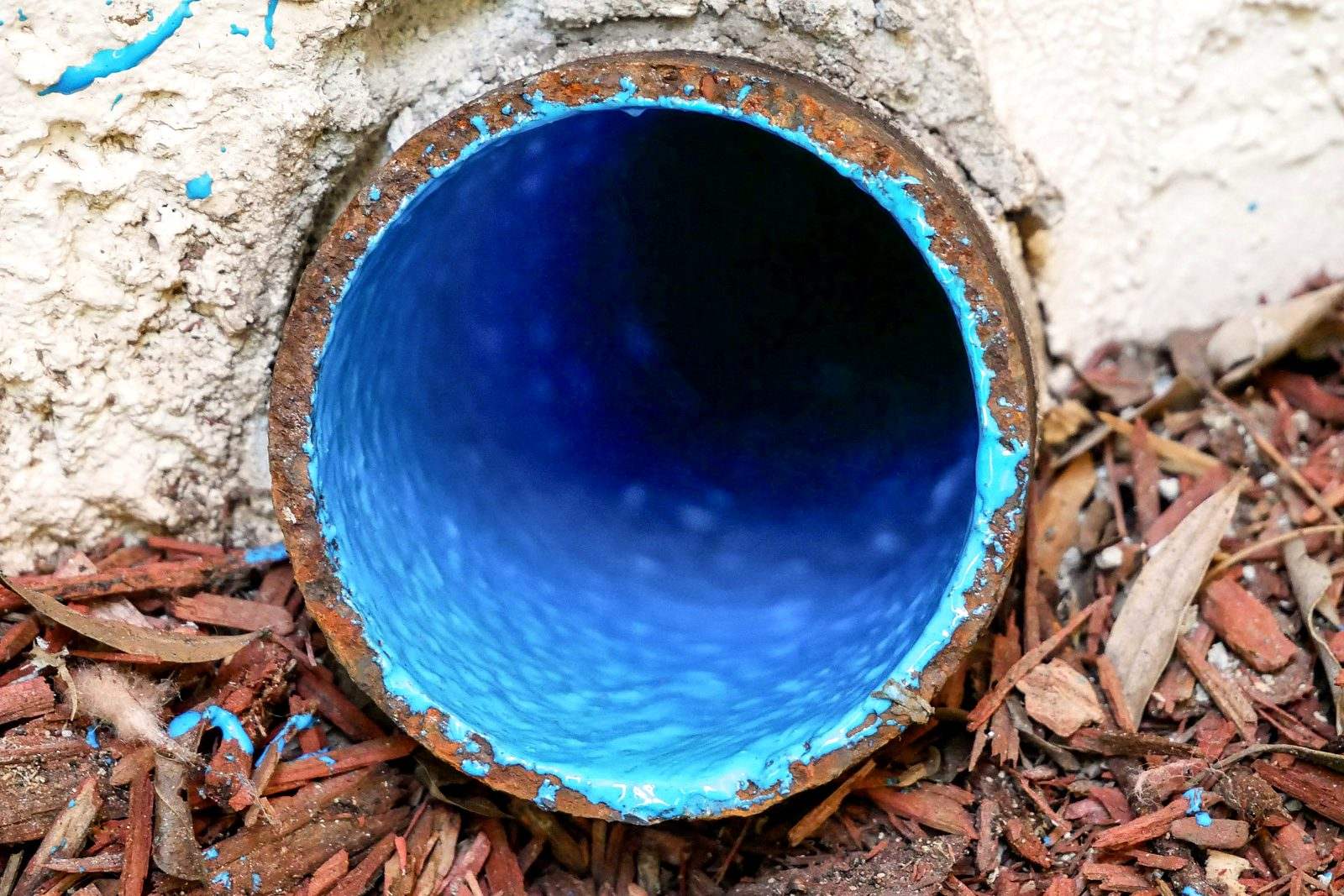
We apply the epoxy in thin layers. Together they form one continuous lining that seals the cracks and joints.
Final check
After it cures, we inspect the whole line on camera again, branches included. We're done when it's sealed and draining well.
Video
Why people choose it
Nothing gets torn up
Your yard, driveway, floors and walls stay as they are, so there's no restoration bill afterward either.
Usually costs less than replacing
No excavation means less labor. For pipes under slabs and hardscape, the savings can be big.
Stops the rust
The cured lining keeps water off the old metal. That slows corrosion and keeps roots out.
Quick turnaround
Plenty of jobs are done in a day or two, depending on how much pipe there is.
Easier on the environment
No digging, and a sealed pipe keeps wastewater in the line and out of the soil.
You can stay home
There's no heavy equipment in your yard. Most people go about their day while we work.
Is it right for every pipe?
Not always, and we'll tell you if it isn't.
Good fit
- Cast iron with rust and scale
- Pinholes and hairline cracks
- Lines under slabs, floors or landscaping
- Small and medium drain lines
Might need something else
- Pipe that has collapsed or broken apart
- Very large diameter lines
- One small leak that a spot repair would fix for less
Epoxy only bonds to a clean pipe, so we never skip the descaling. Not sure what your pipes need? The camera inspection will tell us, and we'll go over the options with you before any work starts.
What does it cost?
It depends on the pipe: how long and wide it is, how bad the buildup is, and how many branch lines tie into it. We charge by the job, not by the hour, so you'll get a firm price up front. The estimate is free.
Free estimate. Call 818.468.2385 or 323.918.6108, or send us a request to set up your inspection.
Photos from the job
Questions people ask
How long does the coating last?
Applied to a well-prepared pipe, epoxy linings are made to last a long time, often decades. Once we've seen your line on camera, we can give you a better idea for your situation.
Do I need to move out?
No. We work through clean-outs and other access points. You'll be without drains while we clean, coat and let the epoxy cure, and we'll plan that around your schedule.
When can I use my plumbing again?
Most coatings cure in a few hours, so a lot of the time it's the same day. Bigger systems with several branches can take a day or two.
Will my pipes be narrower?
The coating is thin. Since we grind out years of rust and scale first, the finished pipe is usually wider inside than it was before we started, and a lot smoother.
What kinds of pipe can you coat?
Cast iron, clay and PVC drain lines, which covers most homes in Los Angeles. The camera inspection tells us whether yours is a good candidate.
Is this the same as pipe lining?
Pretty much. You'll also hear it called epoxy pipe lining or pipe relining. They all mean restoring a pipe by bonding epoxy to the inside.