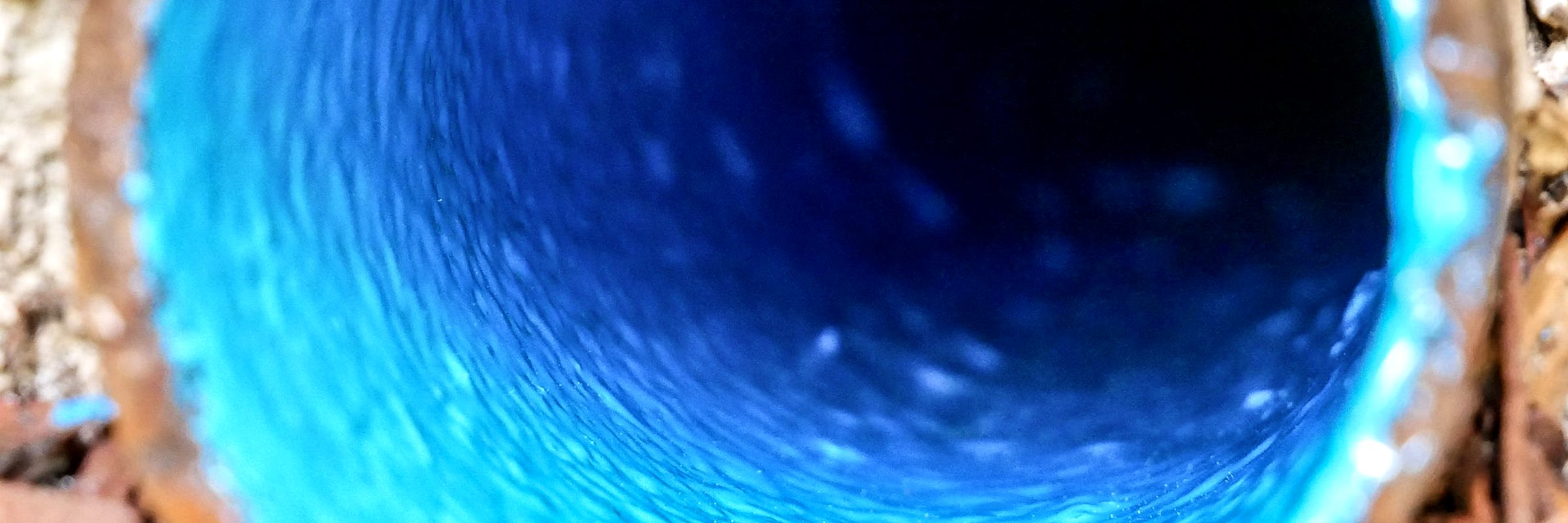
Monrovia has one of the best collections of Craftsman and Victorian homes in the San Gabriel Valley, especially around Old Town and Myrtle Avenue. Many of those houses still have their original cast iron and clay drain lines, and after a century those pipes are rusty, scaled and cracked. Coating restores them without disturbing the historic house above.
Think of it as relining the pipe you already have. The old pipe stays in the ground and becomes the shell for a smooth epoxy lining that seals leaks and slows rust.
Why drain lines fail in Monrovia
In Monrovia's older neighborhoods we often find clay sewer laterals with root intrusion and cast iron inside the home that has lost much of its original diameter to rust. On the foothill streets near Monrovia Canyon Park, slopes add another variable. We descale, coat and recheck the line on camera, and you get a firm price up front.
Good candidates and exceptions
Most drain lines are good candidates. A few aren't.
Good fit
- Lines under slabs, floors or landscaping
- Pinholes and hairline cracks
- Clay laterals with root intrusion at the joints
- Cast iron with rust and scale
Might need something else
- One small leak that a spot repair would fix for less
- Very large diameter lines
- A line with a deep sag that holds standing water
From inspection to finished lining
Look inside first
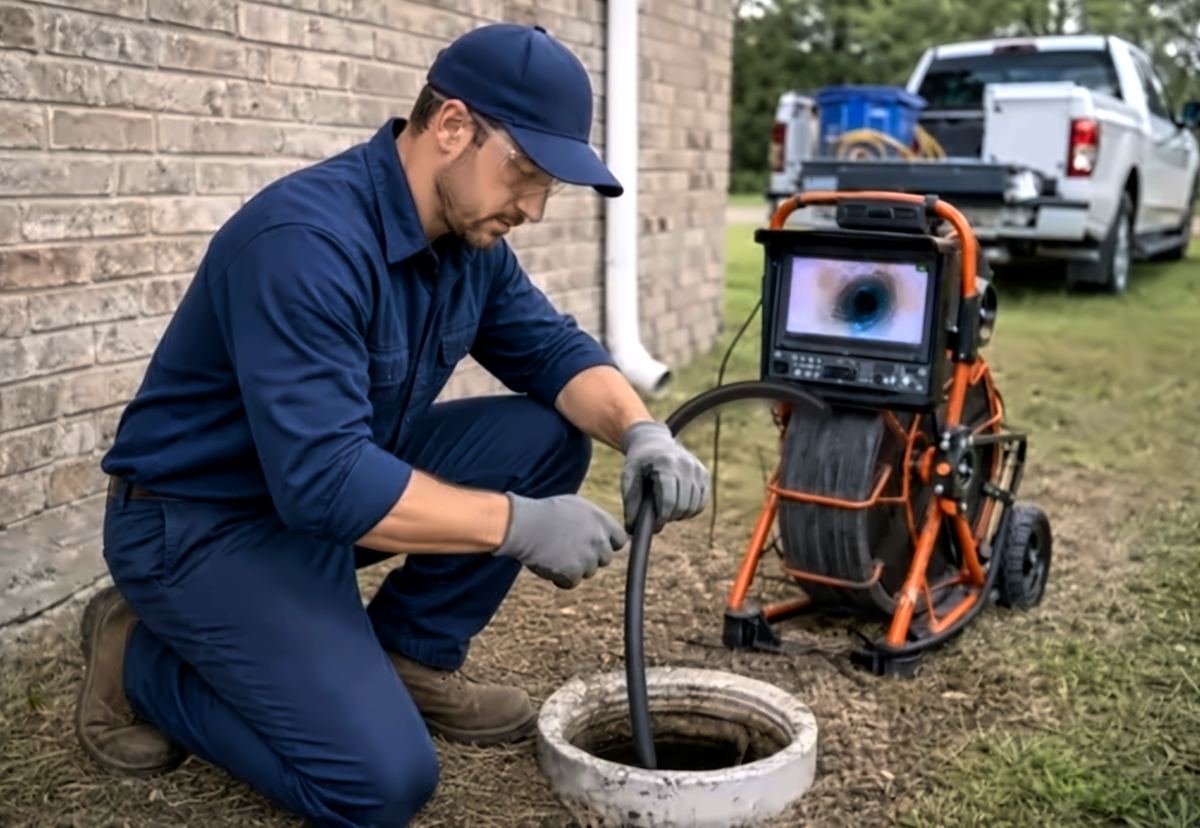
We run an HD camera through the line to find every crack, rusted spot and blockage, and you get to see the footage.
Back to bare pipe
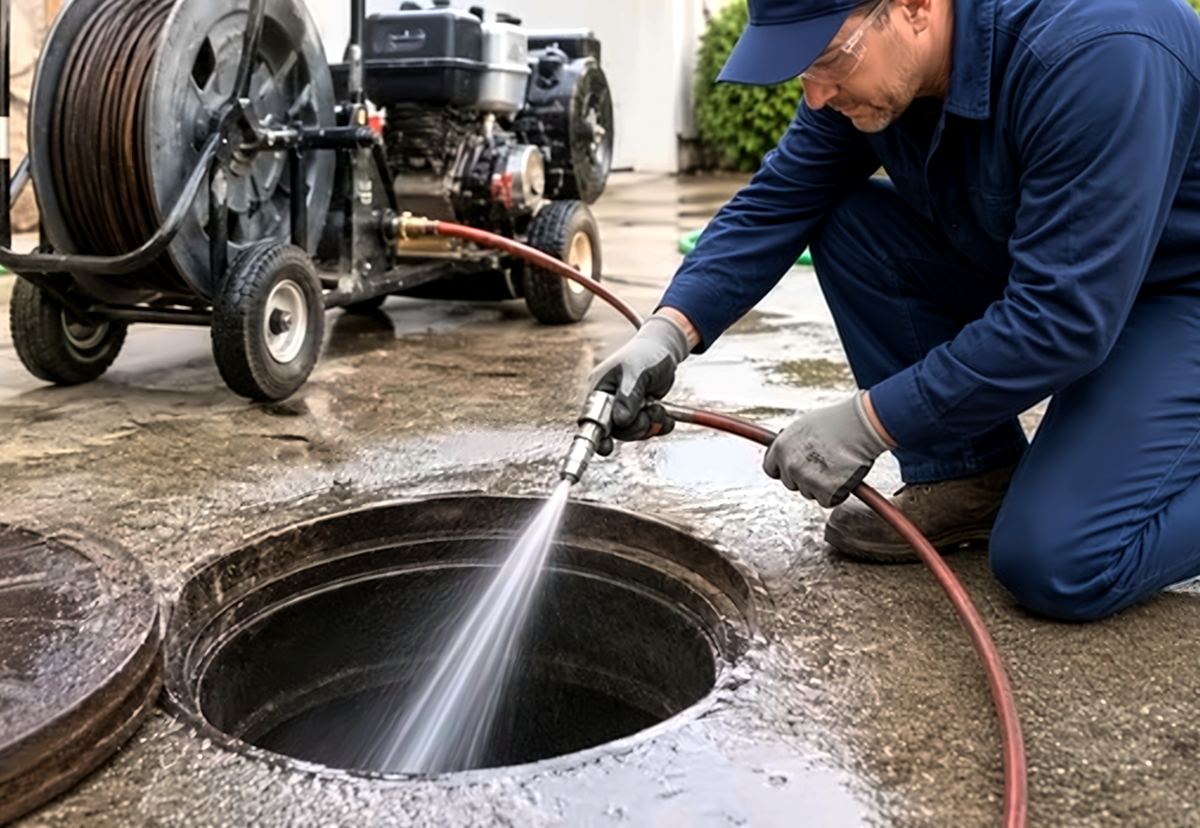
Special cutting tools remove the buildup so the epoxy can bond to clean pipe.
Coat the pipe
Layer by layer, the epoxy builds a smooth, sealed surface inside the old pipe.
Camera check
Once it cures, we inspect the whole line on camera again, branches included.
How we price the job
We price by the job, not by the hour. After the camera inspection, you'll know the full cost for your Monrovia property before any work starts, and the estimate itself is free.
Free estimate in Monrovia. Call 818.468.2385 or 323.918.6108, or send us a request to set up your camera inspection.
Symptoms of a failing drain line
Wear found on camera
A camera inspection that shows thinning walls or open joints is the best time to coat.
Sewer odors
A sewer smell you can't trace can mean a crack or open joint in the line.
Damp spots or stains
Wet patches in the yard or along the foundation are worth checking.
Repeat clogs
The same drain backs up every few months, even right after it's been cleared.
Rusty water or flakes
Rust-colored water backing up into a tub or shower suggests corroded cast iron.
Benefits of epoxy coating in Monrovia
Better flow
A smooth lining doesn't catch debris the way rough, corroded pipe does.
No digging
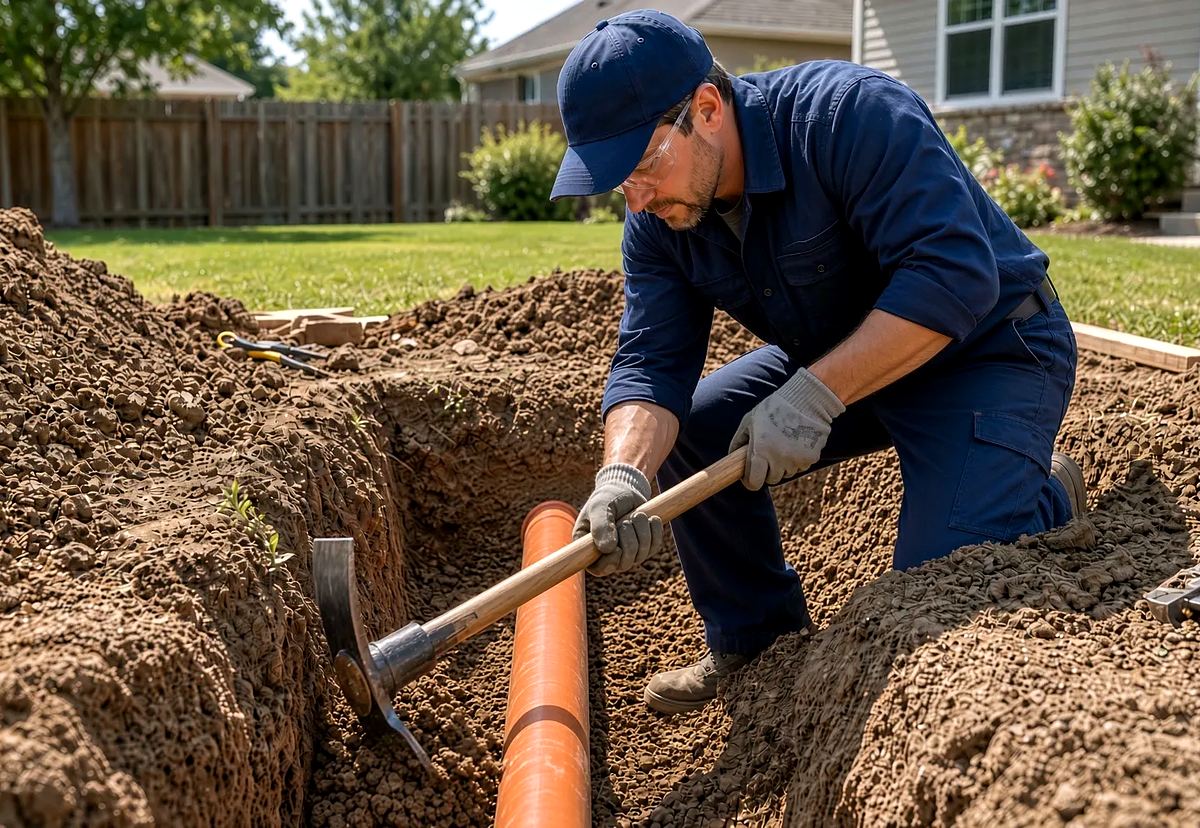
Floors, driveways, yards and walls stay in place, so there's no restoration bill afterward.
Often costs less
Without trenching and surface repairs, the total job is usually smaller.
You can stay home
No heavy equipment in the yard. Most people go about their day while we work.
Around Monrovia
Whether you're in Old Town, Myrtle Avenue and the Monrovia Canyon foothills or anywhere else in Monrovia, we can help. We also serve Arcadia, San Marino and Pasadena.
What people ask us
Can I stay home while you coat the line?
No. We work through clean-outs and other access points. You'll be without drains while we clean, coat and let the epoxy cure, and we'll plan that around your schedule.
Do you serve all of Monrovia?
Yes. We work throughout Monrovia and the surrounding area. Call 818.468.2385 or 323.918.6108 to set up an inspection.
Is this the same as pipe lining?
Pretty much. You'll also hear it called epoxy pipe lining or pipe relining. All of them mean restoring a pipe by bonding epoxy to the inside.
How long until the drains work again?
Most coatings cure in a few hours, so it's often the same day. Bigger systems with several branches can take a day or two.
What kind of lifespan should I expect?
On a properly descaled pipe, the lining is designed for a long service life, often measured in decades. Your camera inspection tells us how it should hold up in your line.
Does coating stop tree roots?
Roots get into pipes through gaps at the joints. Once we cut them out and seal those gaps with epoxy, they have no easy way back in.
Want the full story on how it works? Read our main Epoxy Coating for Drain Pipes page.