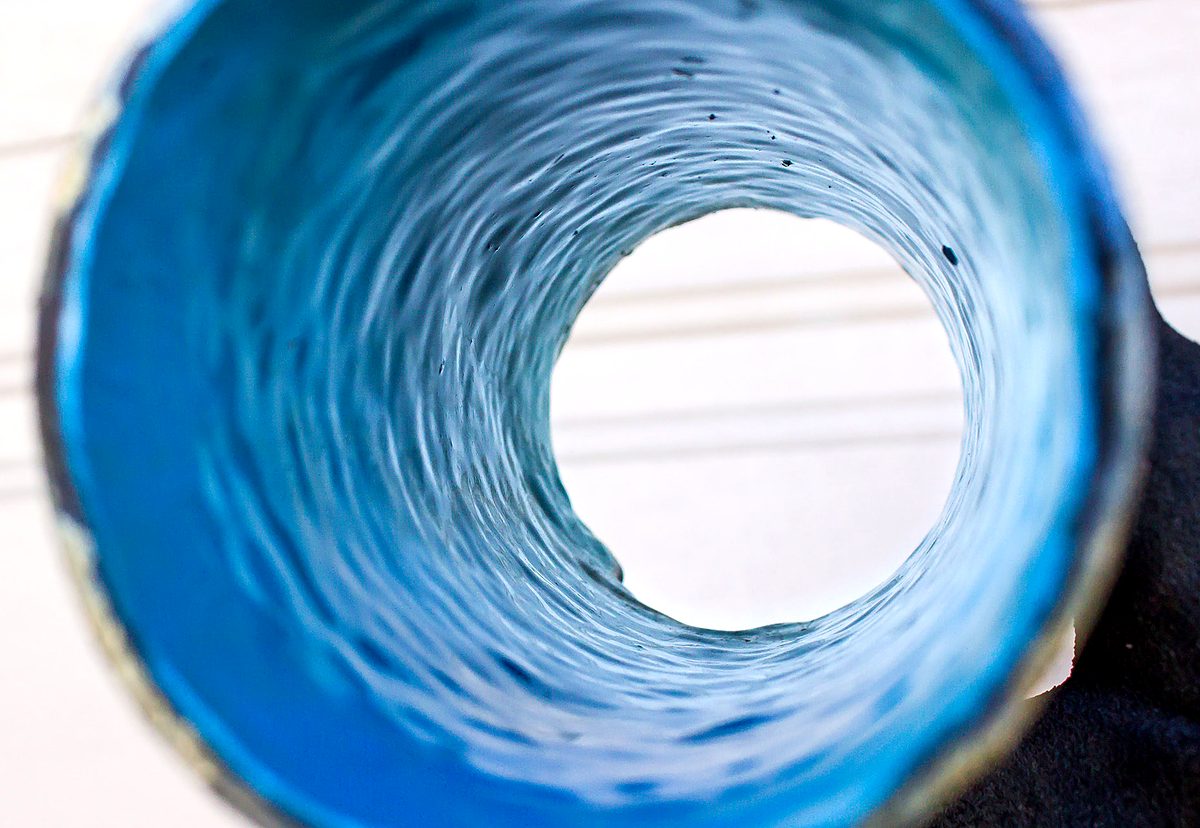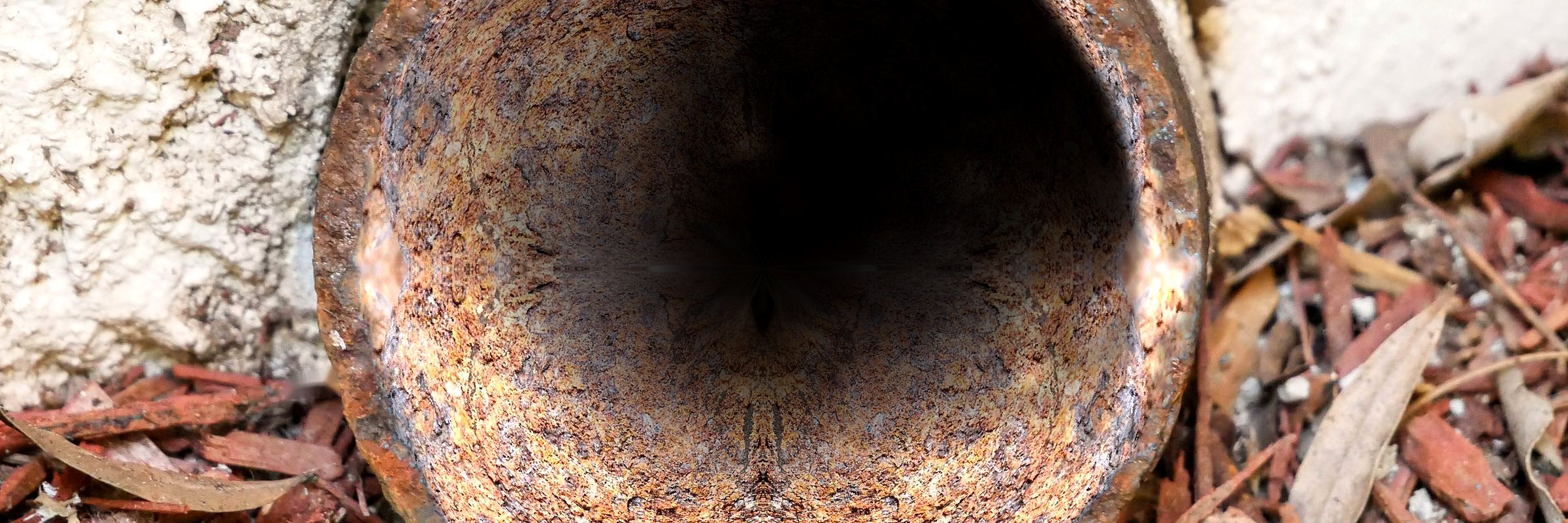
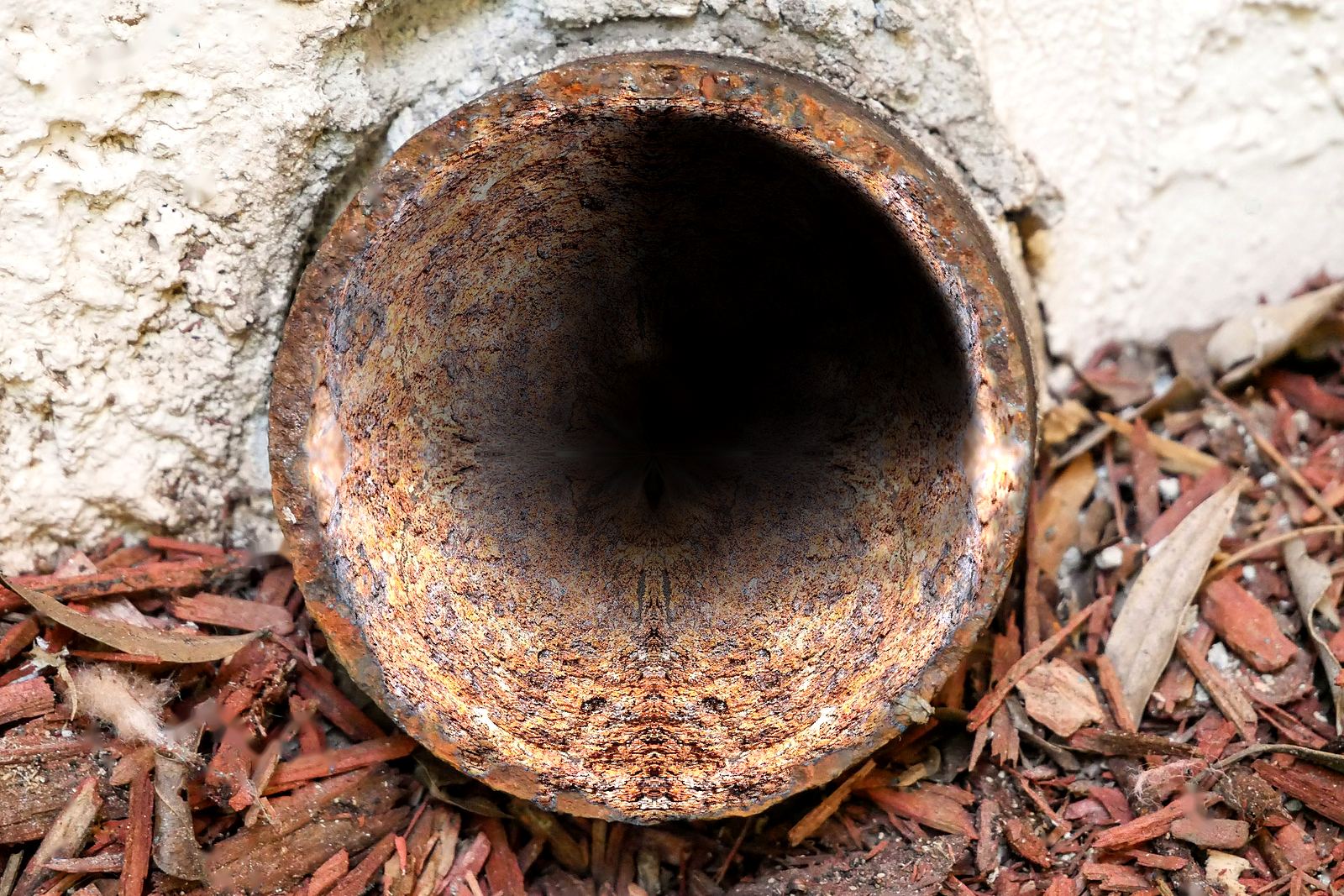
Scale is the crusty layer that builds up inside drain pipes over the years. Some of it is rust from the pipe itself, some is minerals from hard water, and the rest is grease and gunk that sticks to both. Descaling is how we get it out.
In cast iron, which you'll find under a lot of Los Angeles homes built before the 1970s, rust is the big one. The inside of the pipe gets rough, then it starts to flake and bulge. Over enough years, a 4-inch drain line can end up with an opening closer to 2 inches. At that point it doesn't take much to clog it.
Signs your pipes have a scale problem
- Slow drains in more than one spot in the house
- Clogs that come back soon after a drain cleaning
- Gurgling drains and a sewer smell you can't track down
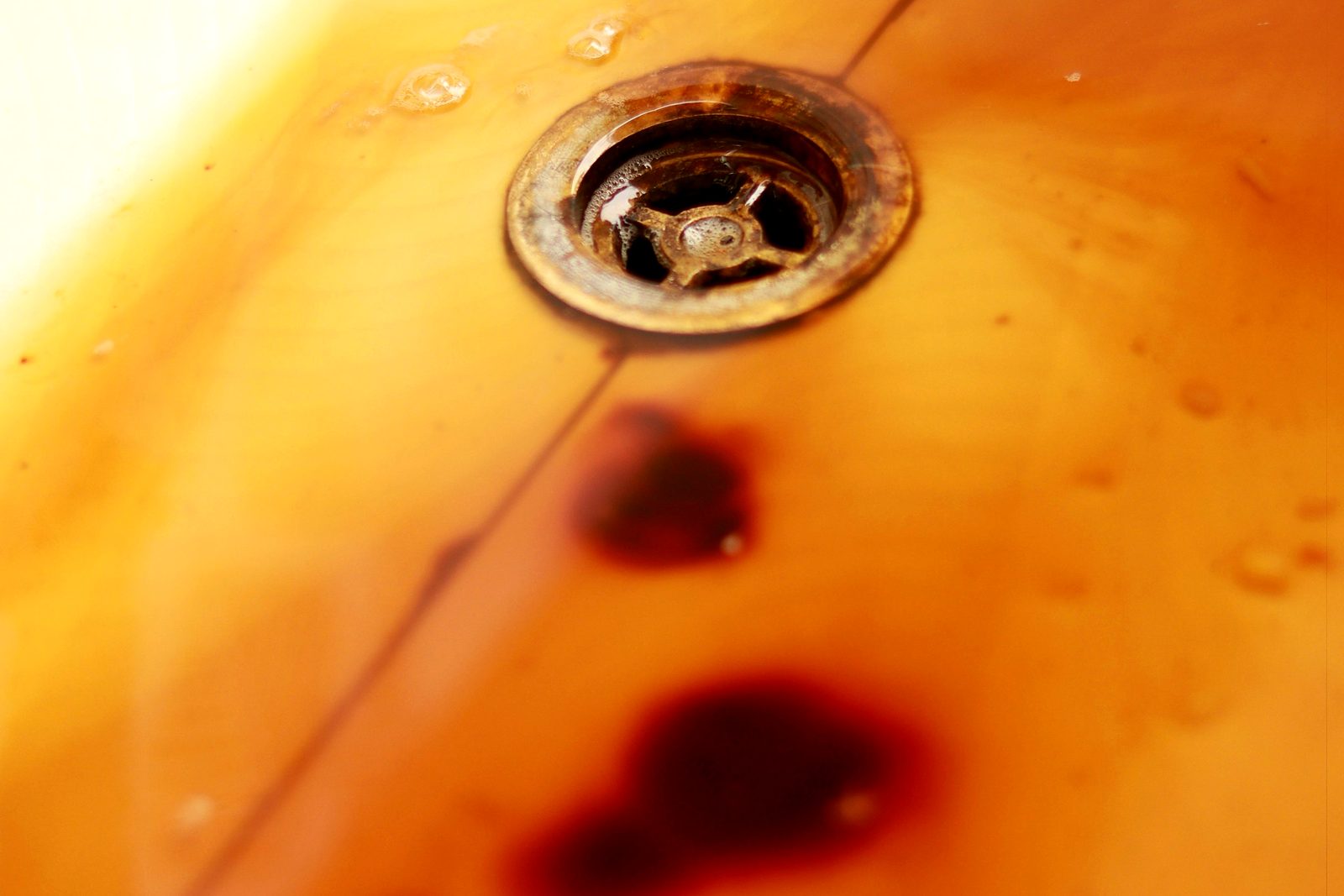
- Rusty or dirty water backing up into a tub or shower
- Rattling or knocking from the pipes when water runs (that's loose scale moving around)
Three ways to descale a pipe
Mechanical descaling
A flexible shaft spins a chain head (sometimes carbide-tipped) at high speed inside the pipe. The chains knock scale off the walls, cut through roots and grind down rough spots and small offsets at the joints. It's usually the best fit for cast iron, and it's controlled from the clean-out.
Hydro jetting
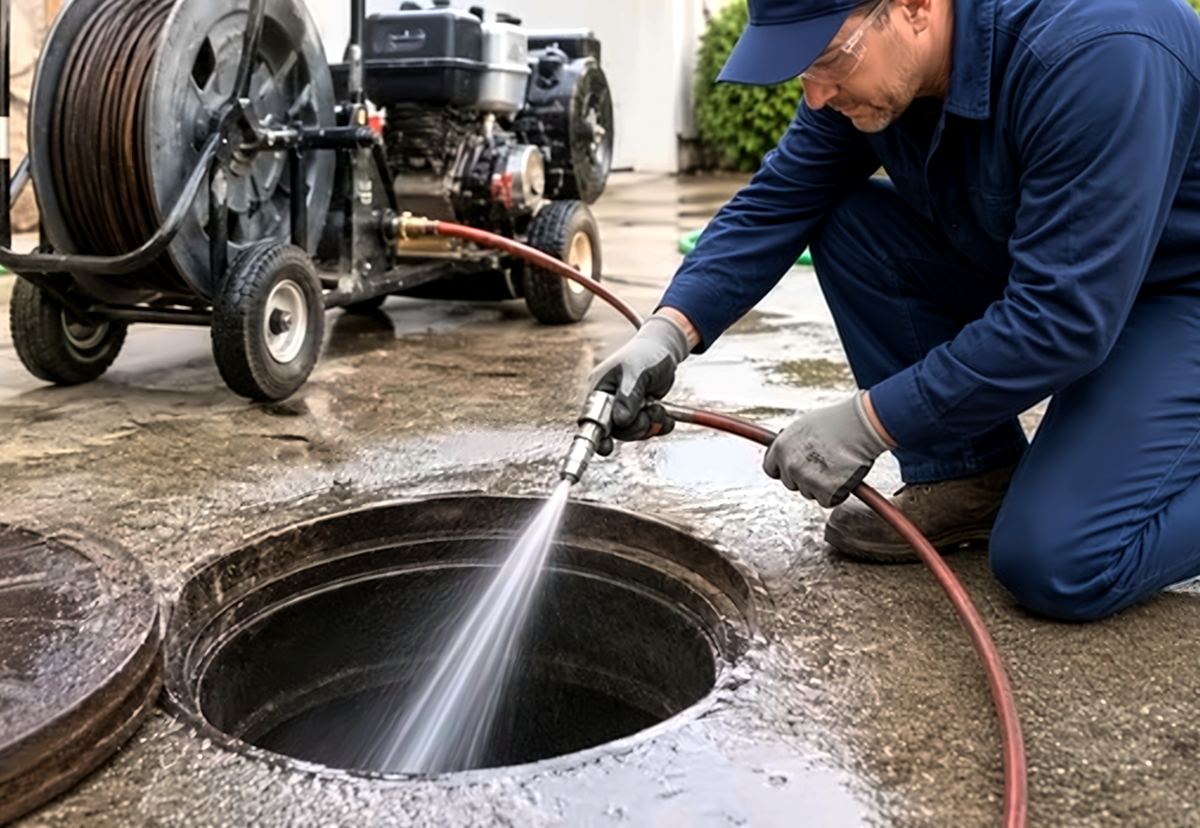
High-pressure water blasts loose scale and flushes it out. It's great on grease and softer buildup, and it makes a good final rinse after mechanical descaling.
Chemical treatment
Chemicals can dissolve some mineral buildup, but they work slowly, they don't do much against heavy rust, and harsh products can damage older pipes. Store-bought drain cleaner is especially hard on cast iron.
See our Hydro Jet Drain Cleaning Service page for more on jetting.
Our descaling process
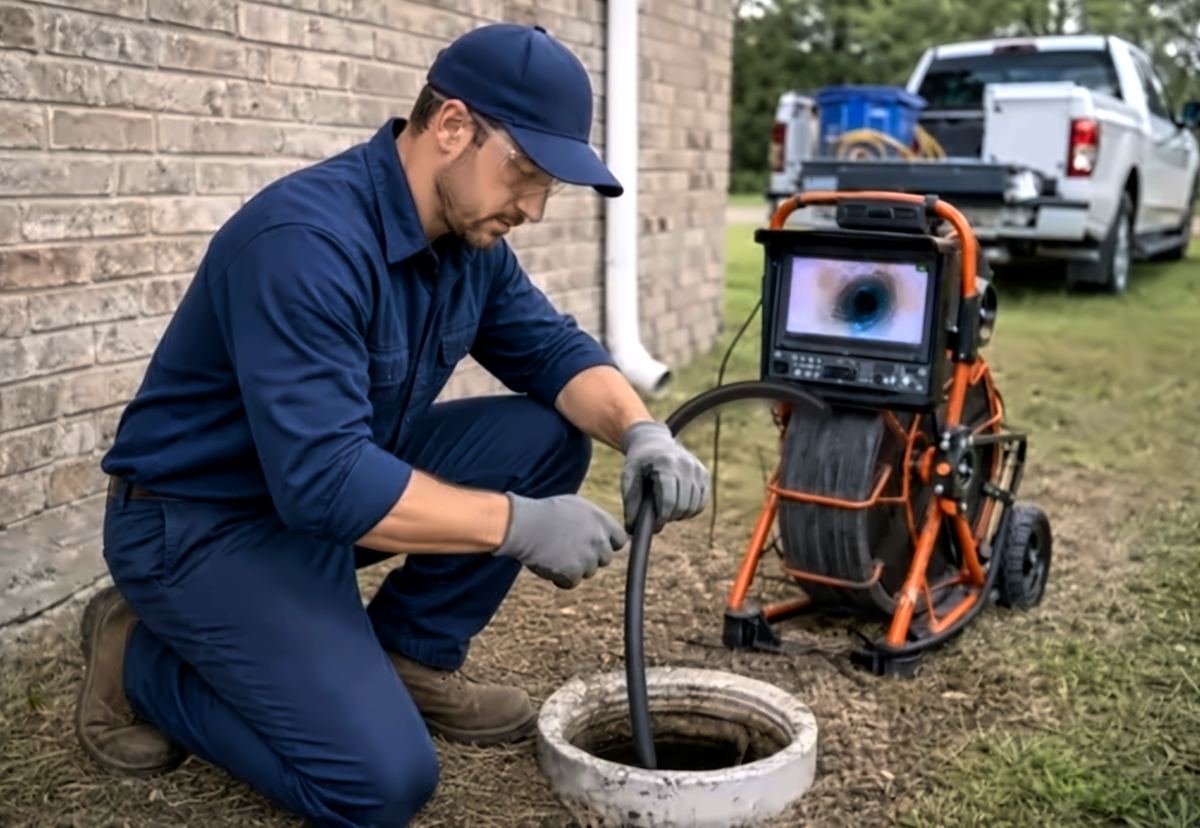
Camera inspection
We look at how much scale there is, where it is and whether the pipe walls are still solid enough to work on.
Descale
We work the chain head through the line one section at a time until the walls are down to bare, clean pipe.
Flush
The line gets flushed or jetted to carry all the loose debris out to the sewer.
Camera again
We check the result and show you the before and after footage.
Descaling and epoxy coating
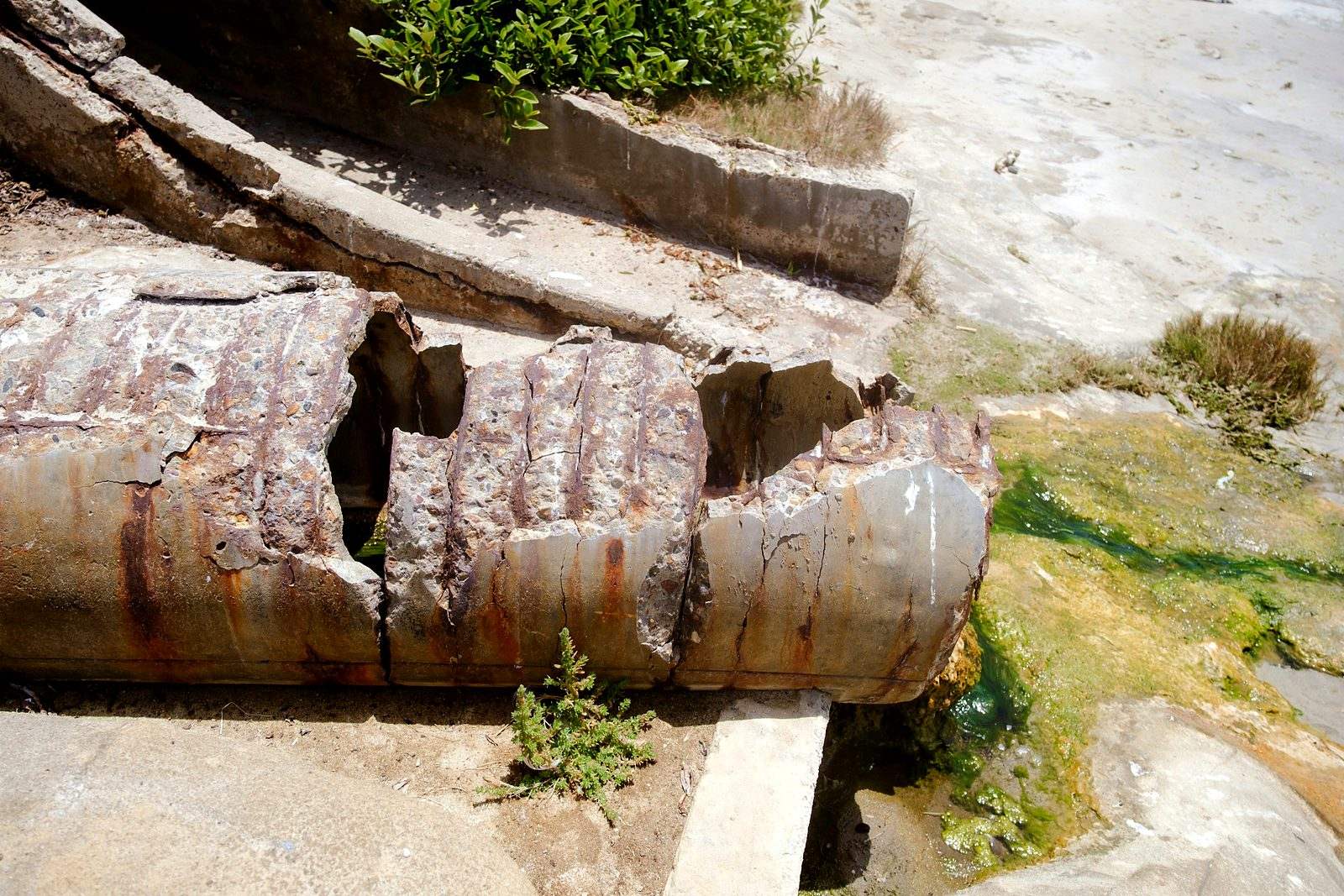
Descaling cleans the pipe, but it doesn't stop cast iron from rusting again. If the pipe walls are still in decent shape, the best long-term move is usually to descale and then coat the inside with epoxy. The coating seals the metal and keeps new scale from forming.
If you're thinking about doing it eventually, it saves money to do both in the same visit, since the pipe only has to be cleaned once. Read more about Epoxy Coating for Drain Pipes.
Can I do this myself?
Honestly, no. Descaling machines spin fast enough to hurt you, and in the wrong hands they can punch through a thin spot in an old pipe. A rental-store snake won't remove scale. This one is a job for a plumber with the right equipment and a camera.
Descaling Drain Pipes in Los Angeles, CA. We descale drain lines in homes and buildings all over Los Angeles, including Pasadena, Glendale, Burbank, Silver Lake, Studio City and the rest of the Valley. Call 818.468.2385 or 323.918.6108.
More photos
Questions people ask
How long does descaling take?
A single kitchen or bathroom line can often be done in a few hours. A whole house, with the main line and several branches, can take a day or more.
Will descaling damage my pipes?
Done right, no. The chain head is sized to the pipe and we watch the work on camera. If a section is too thin or cracked to handle it, we stop and talk to you about repairing it instead.
How long will the results last?
On bare cast iron, rust and scale do come back over time. That's why a lot of homeowners pair descaling with epoxy coating.
Do plastic pipes need descaling?
Not usually. PVC and ABS don't rust. They can still collect grease and mineral buildup, which we normally clear with hydro jetting.